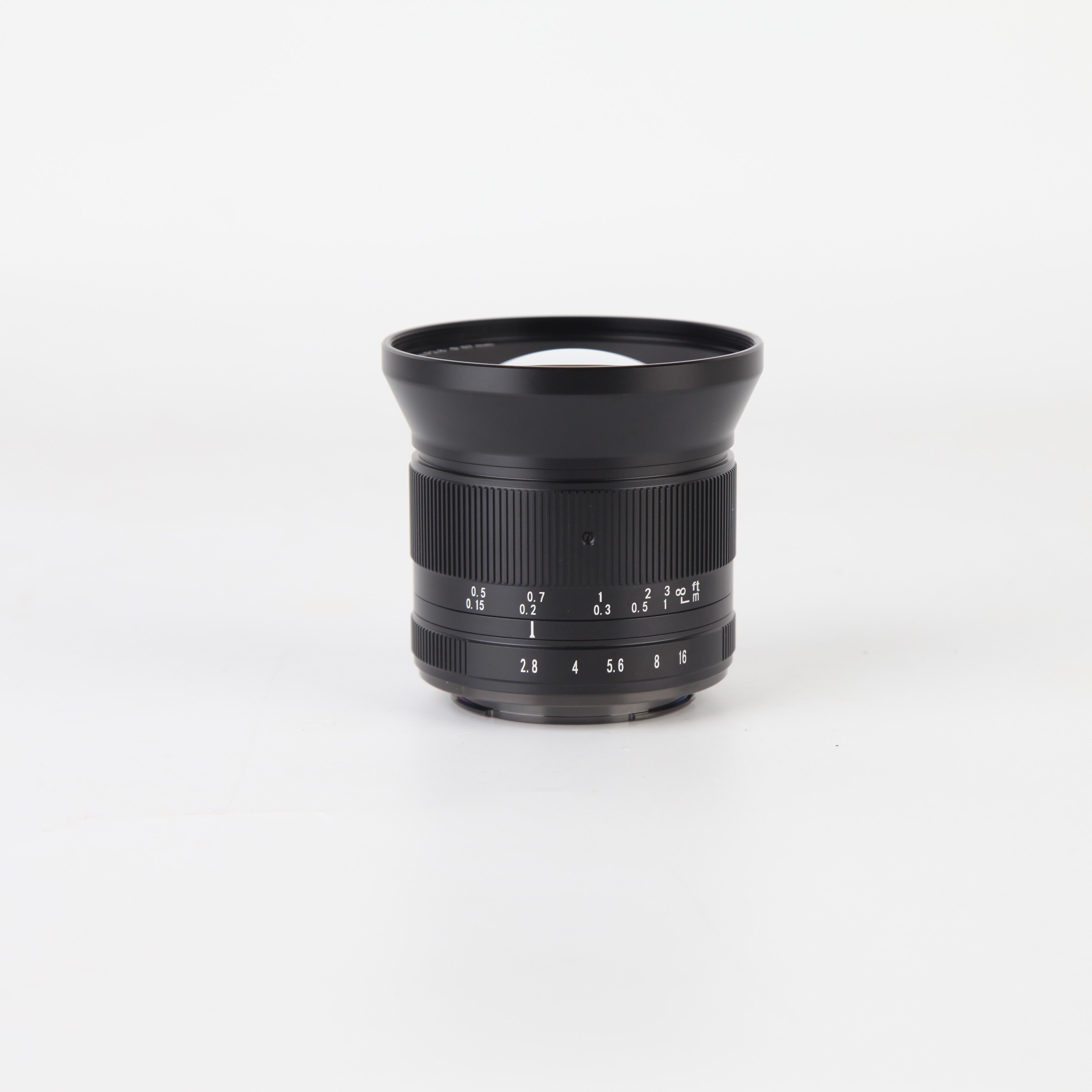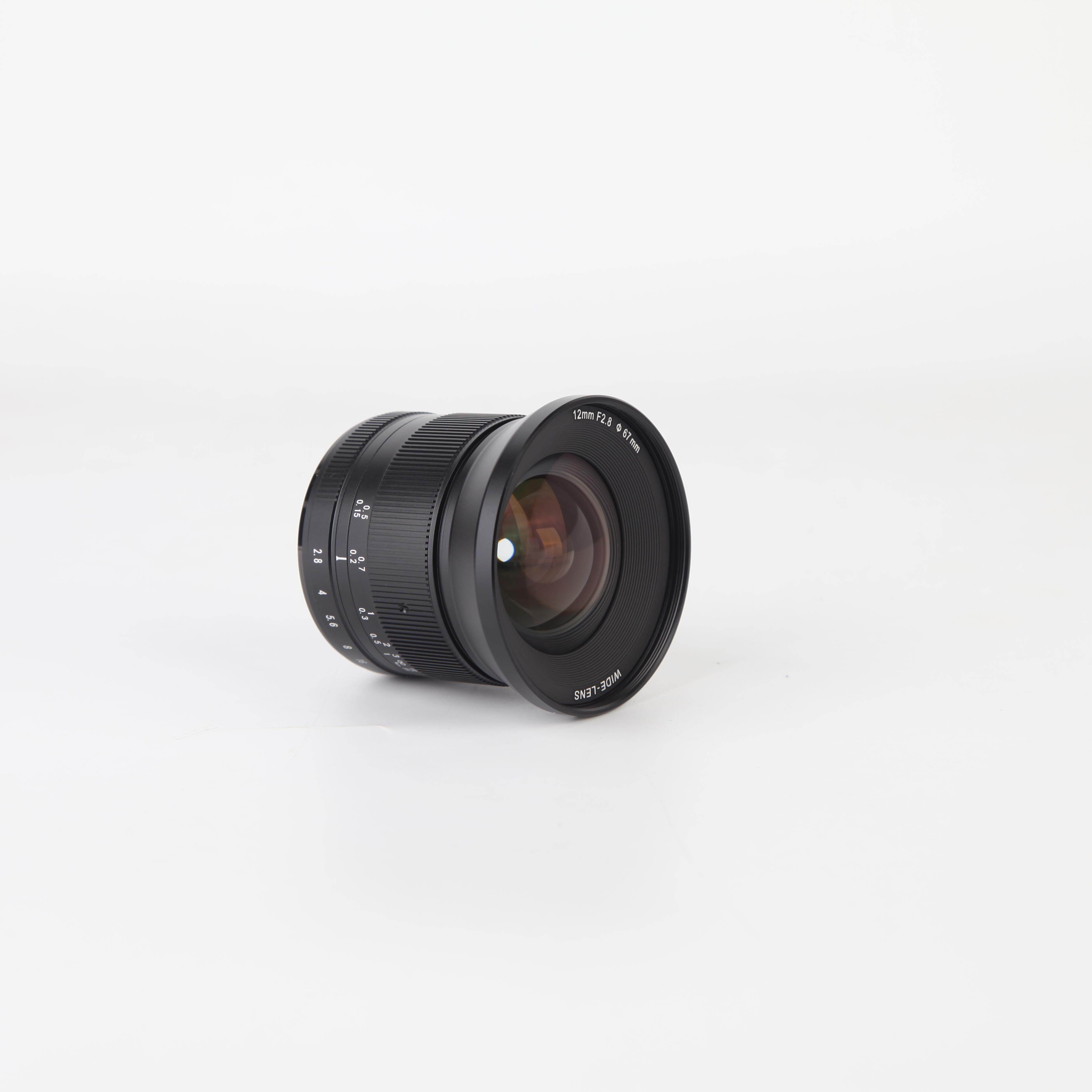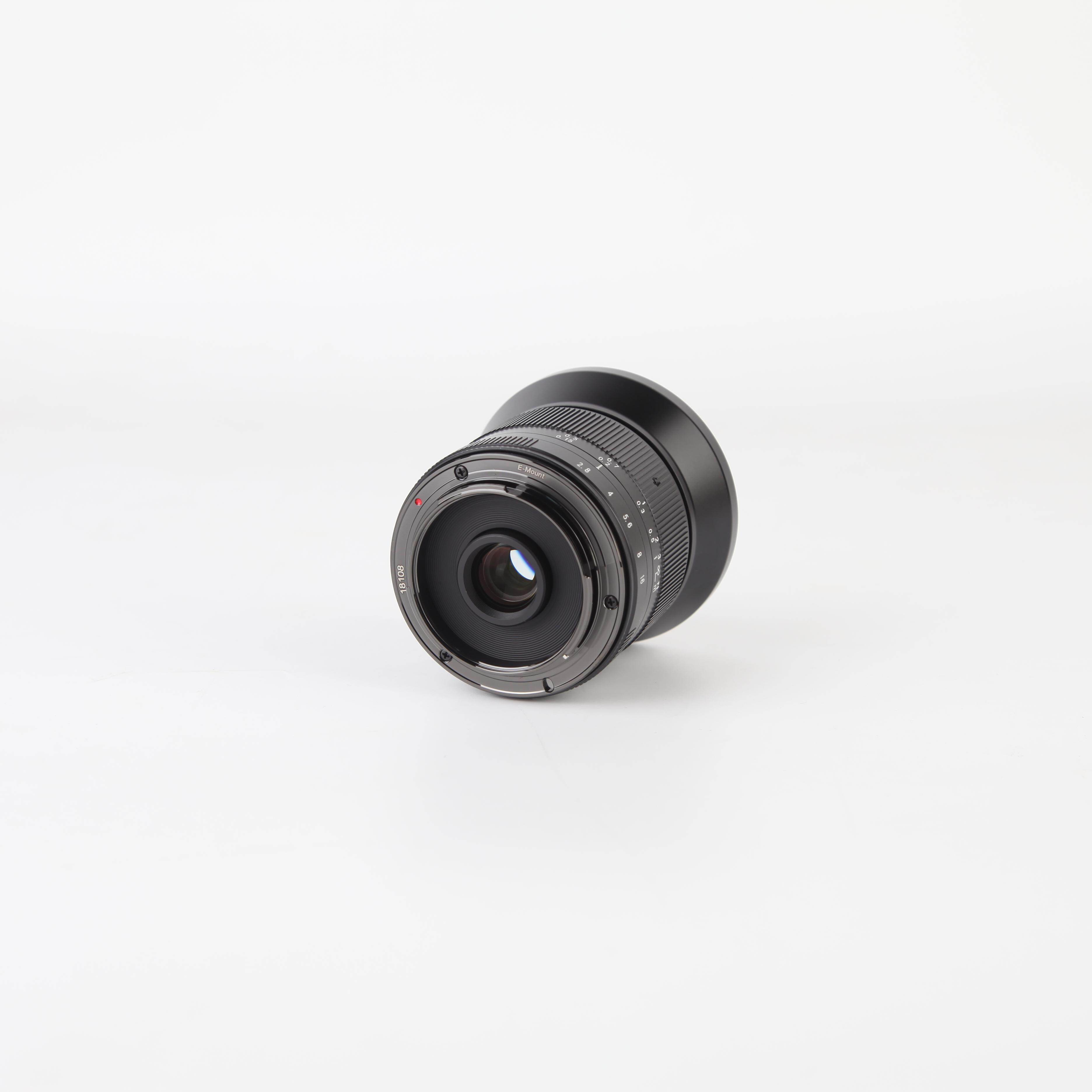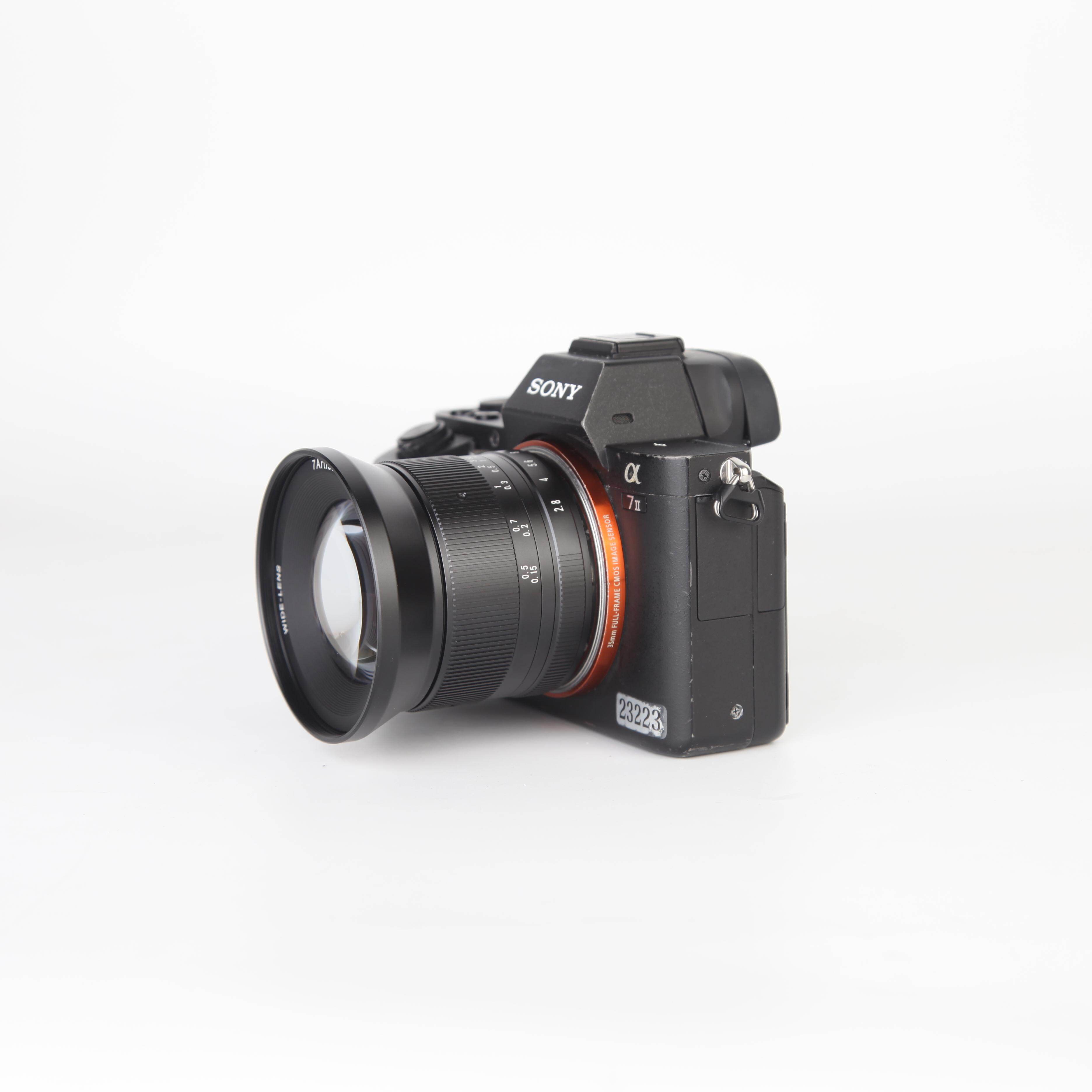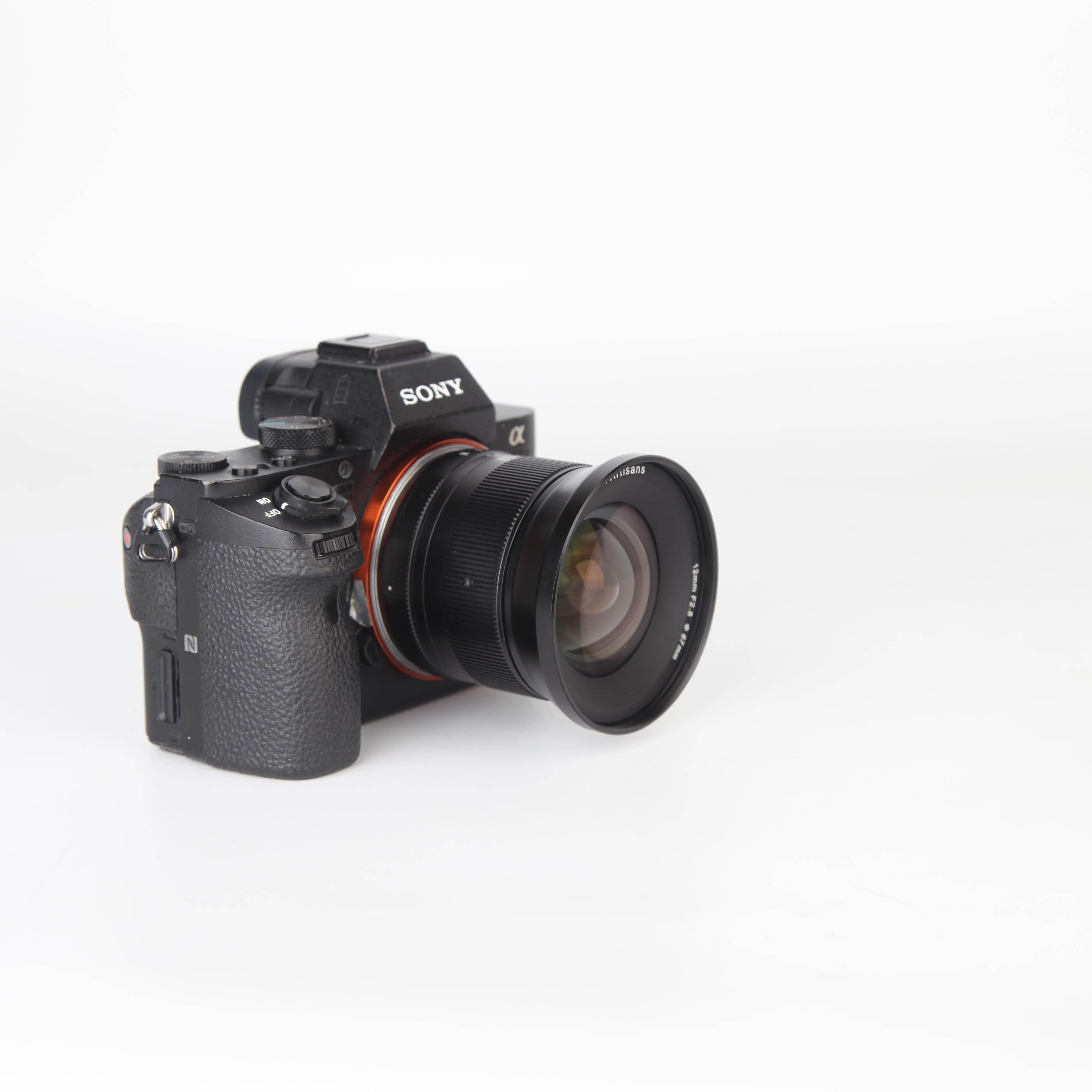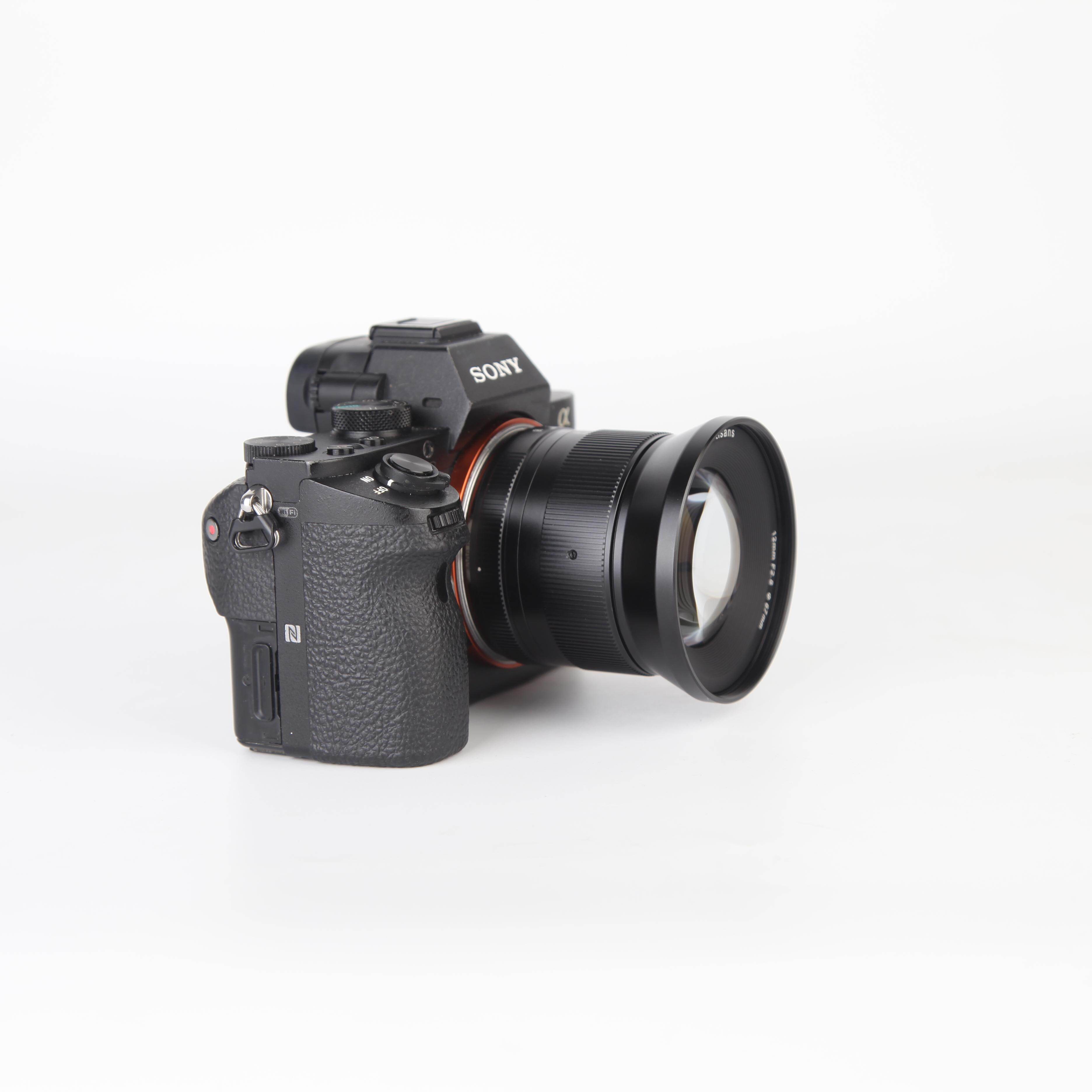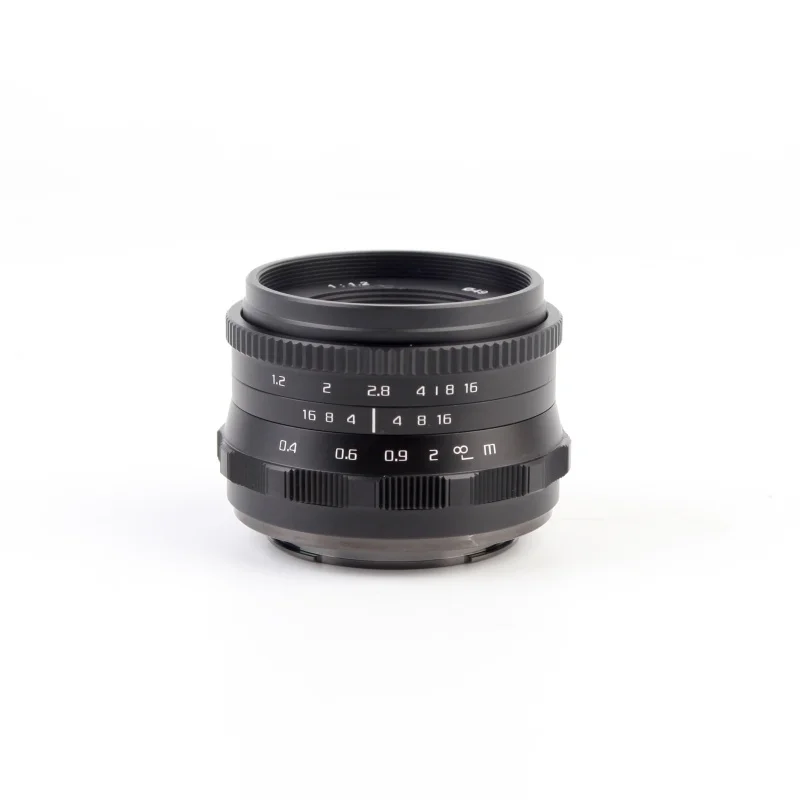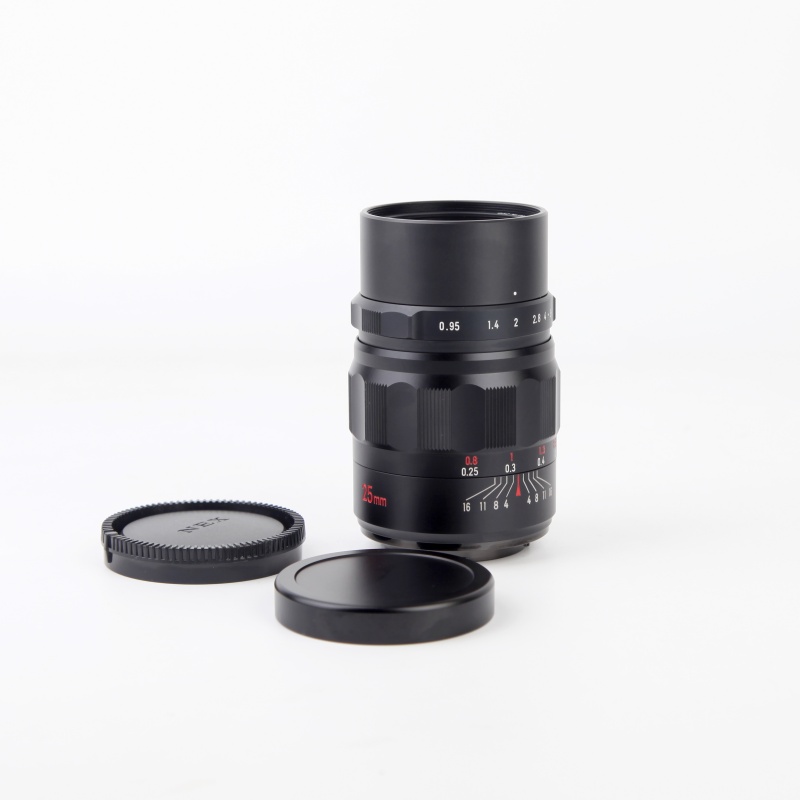
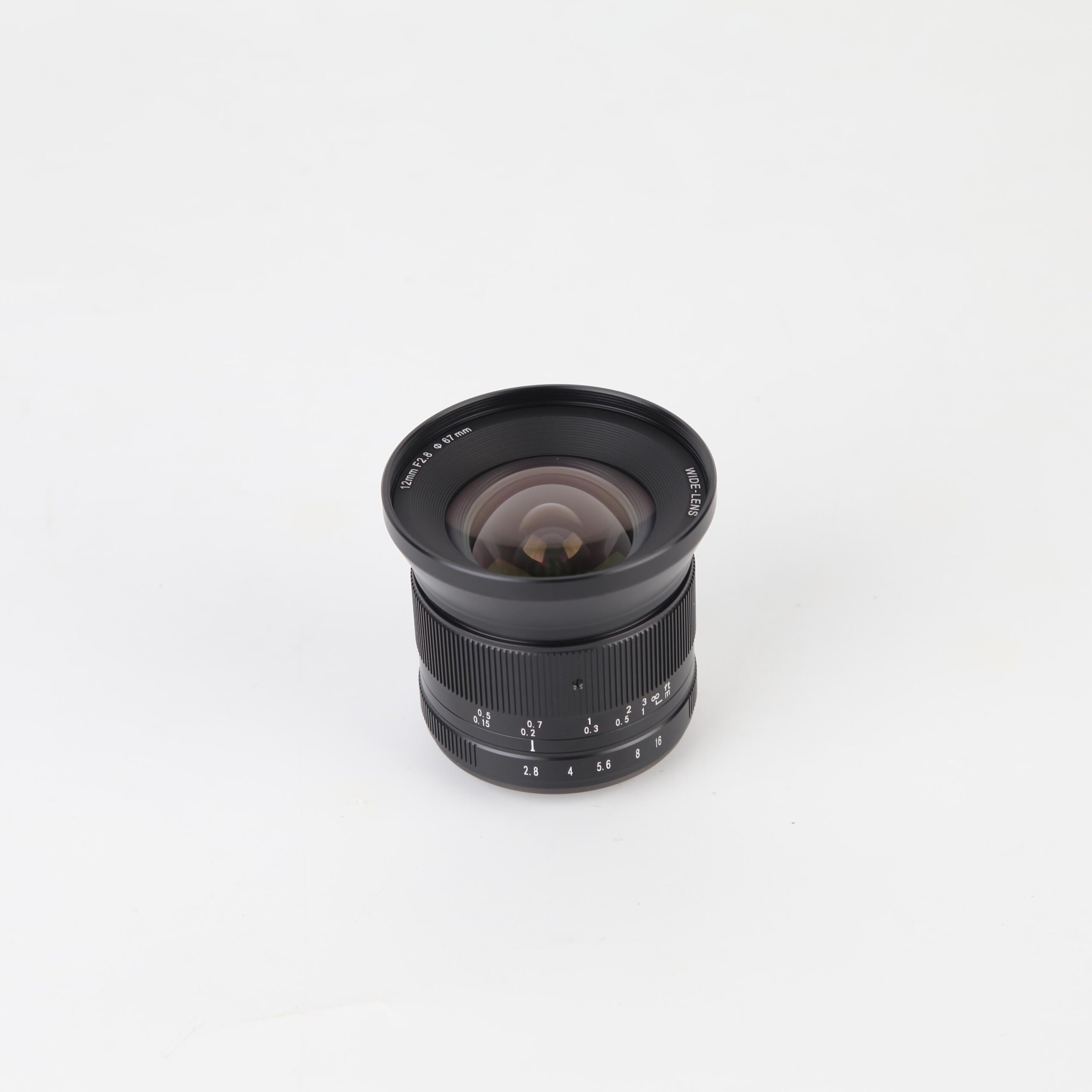
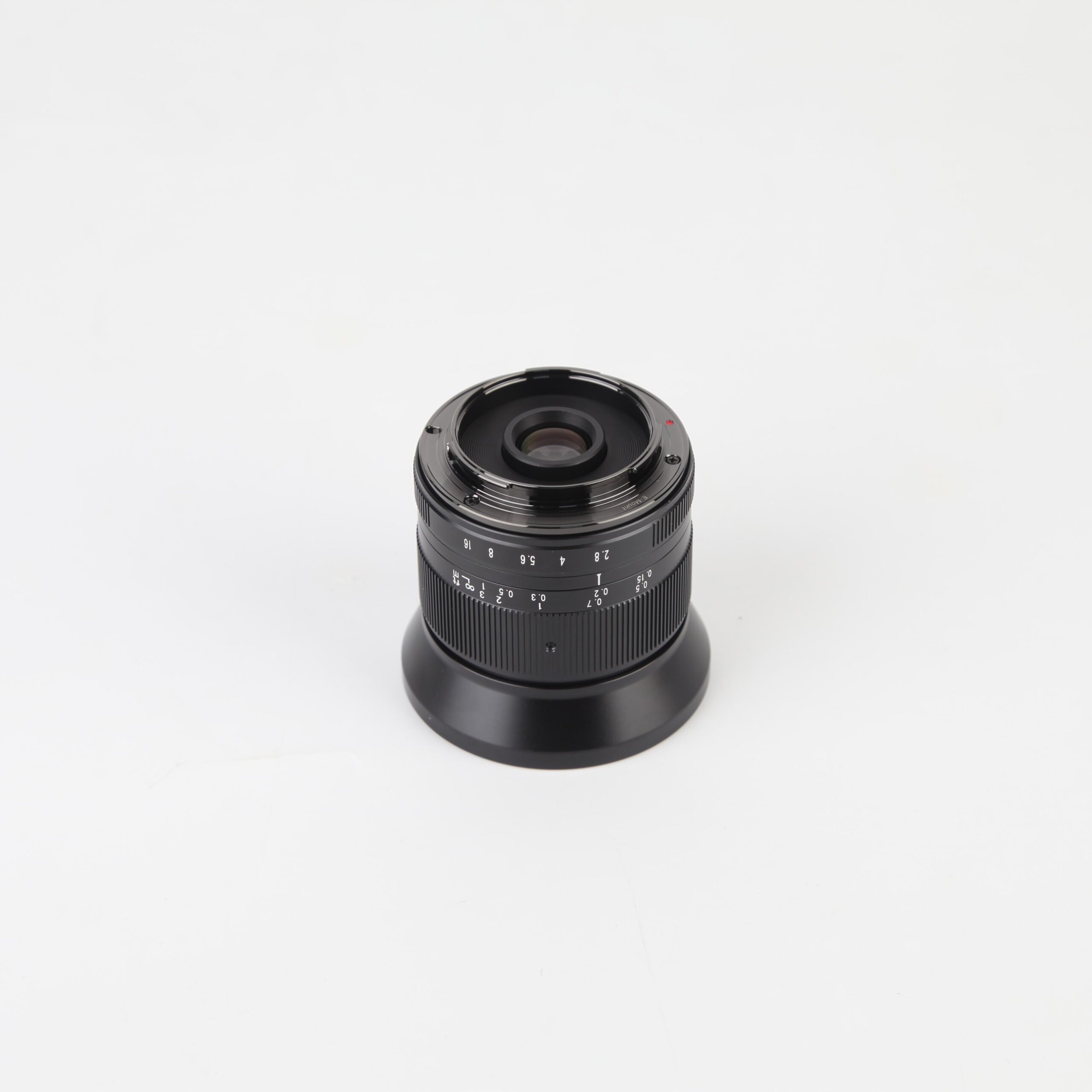
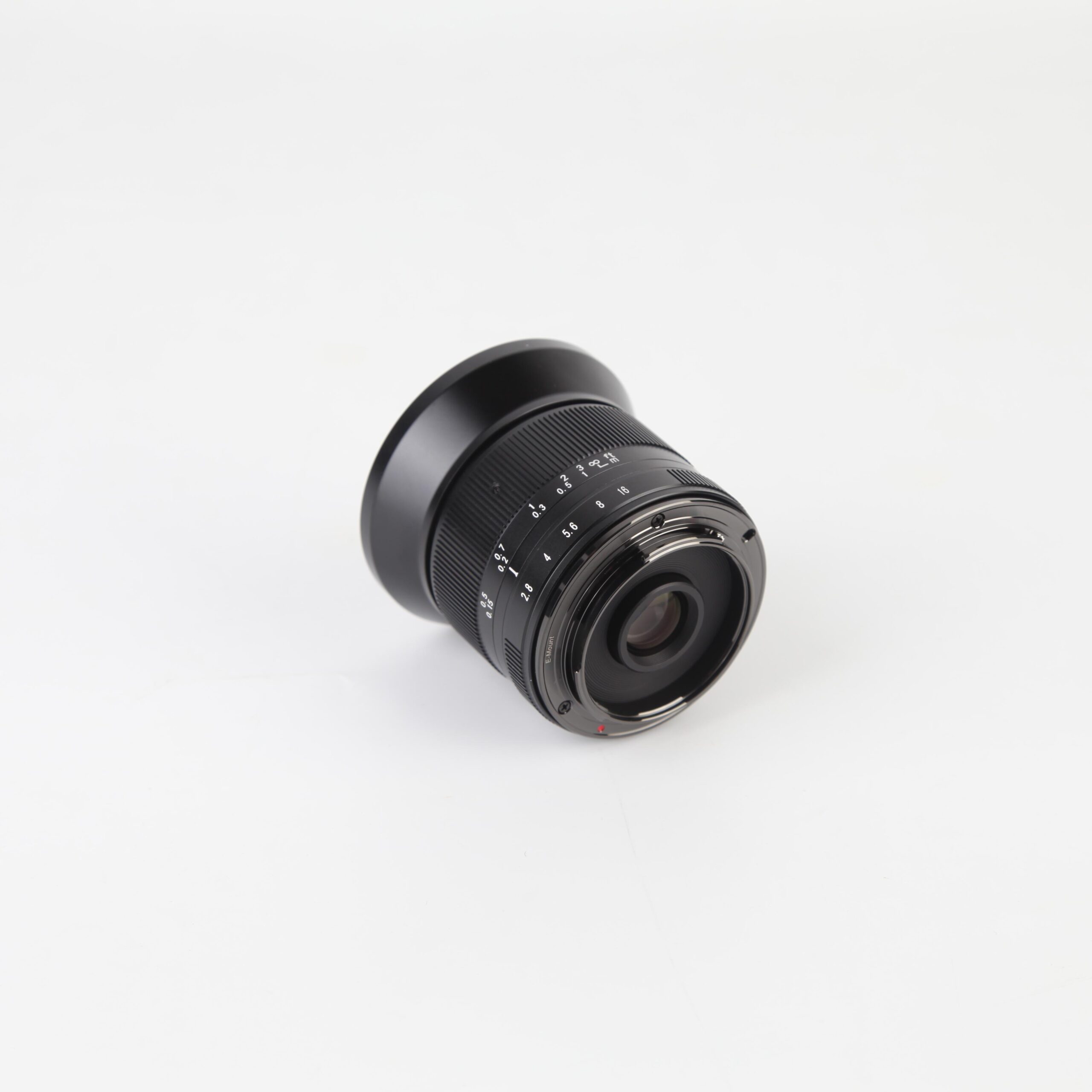
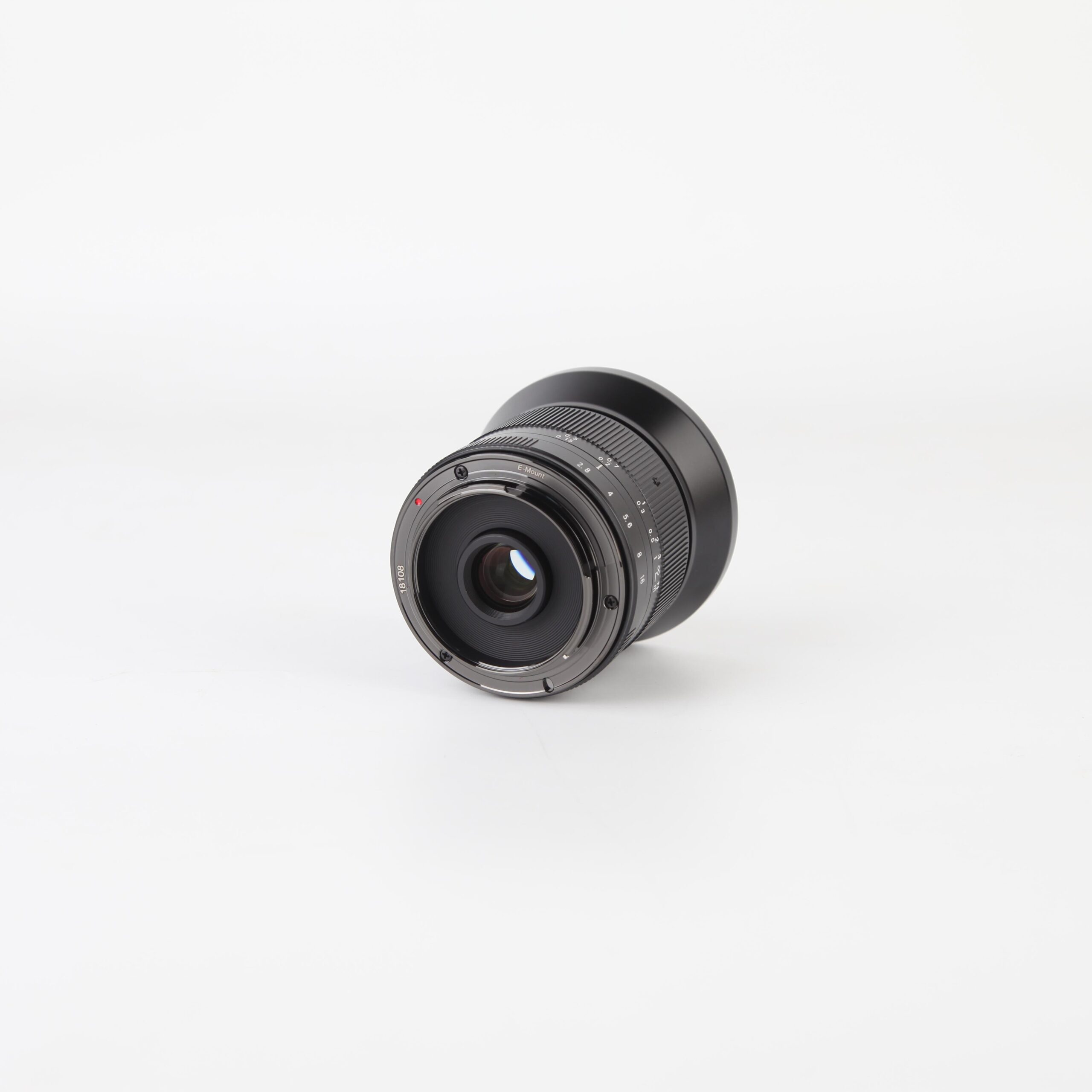
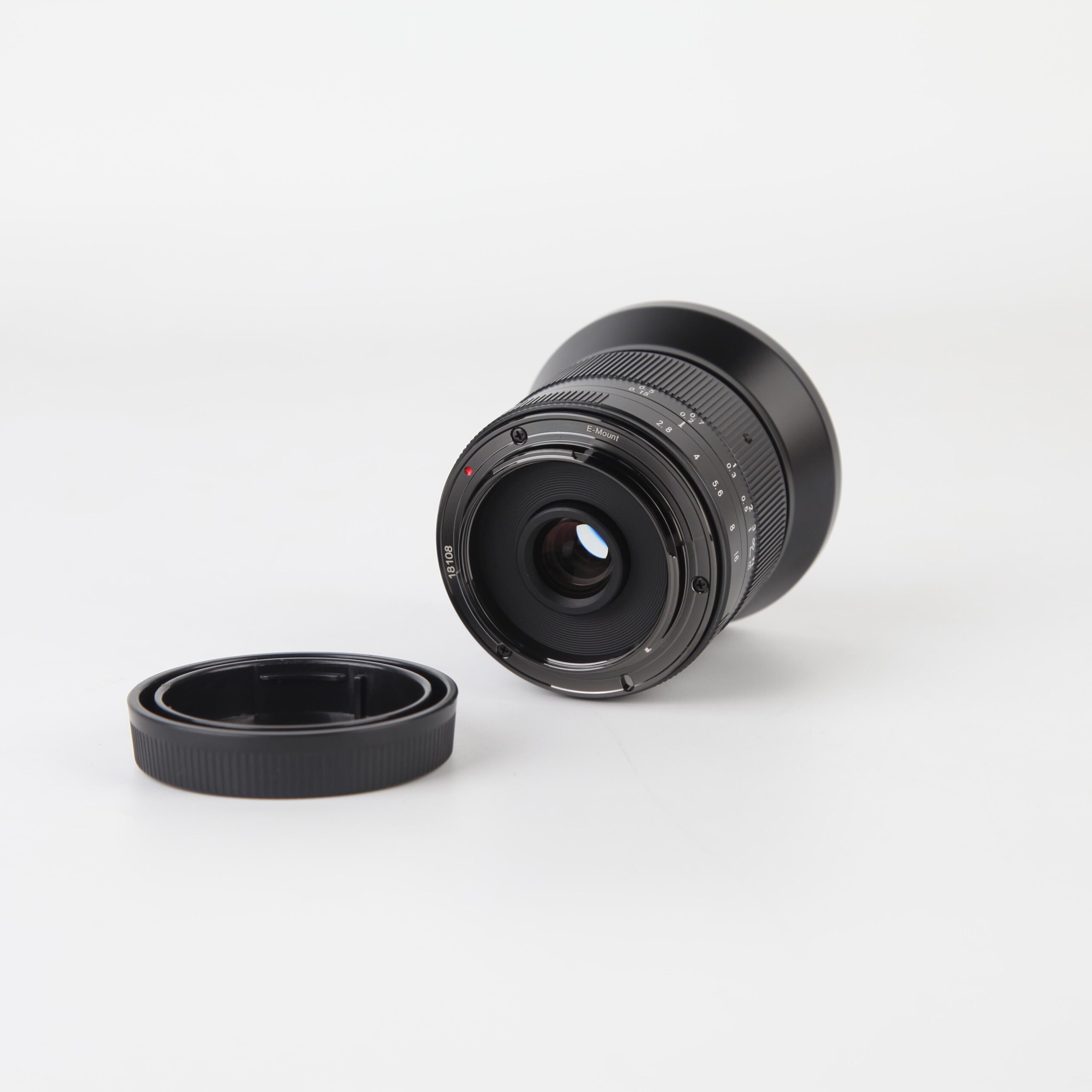
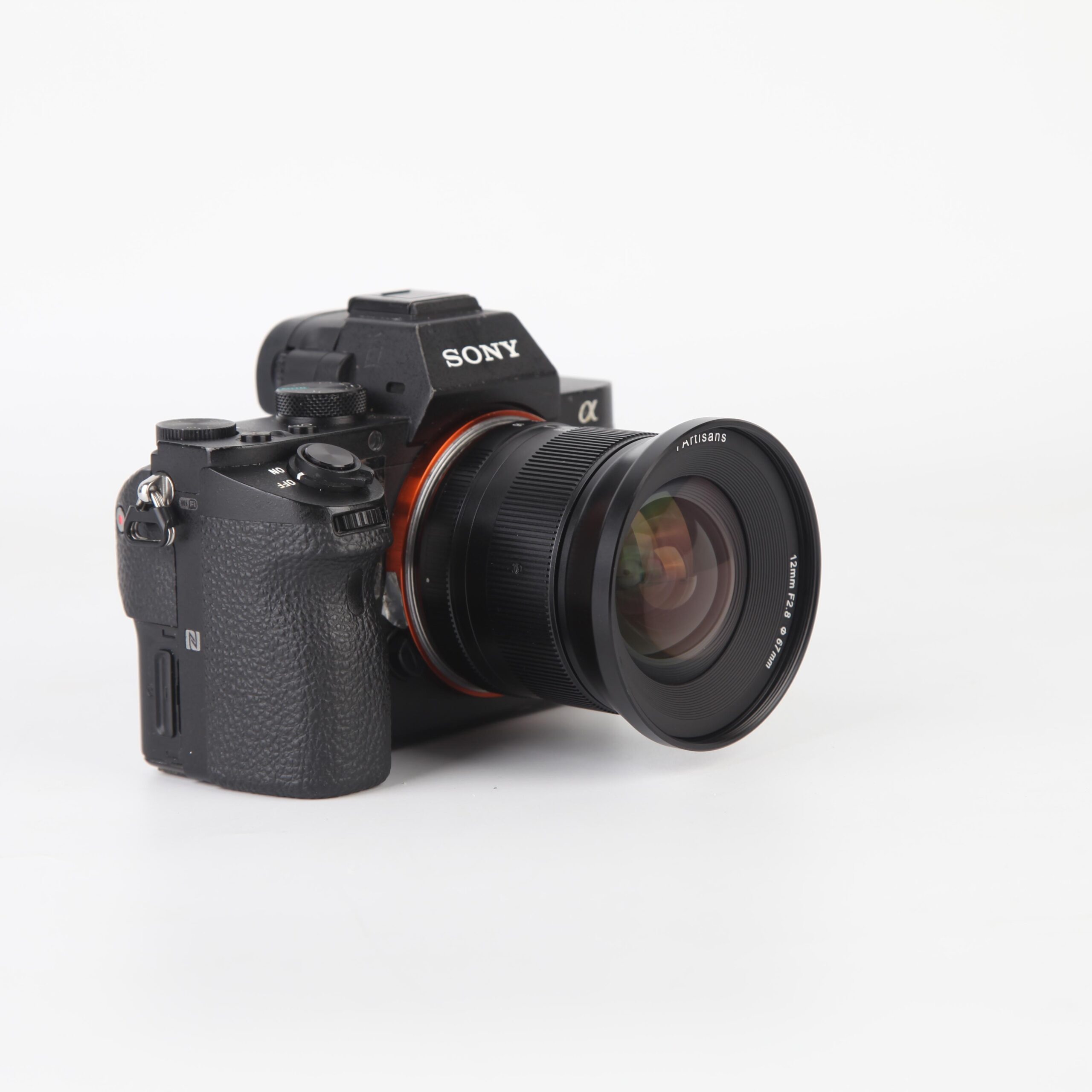
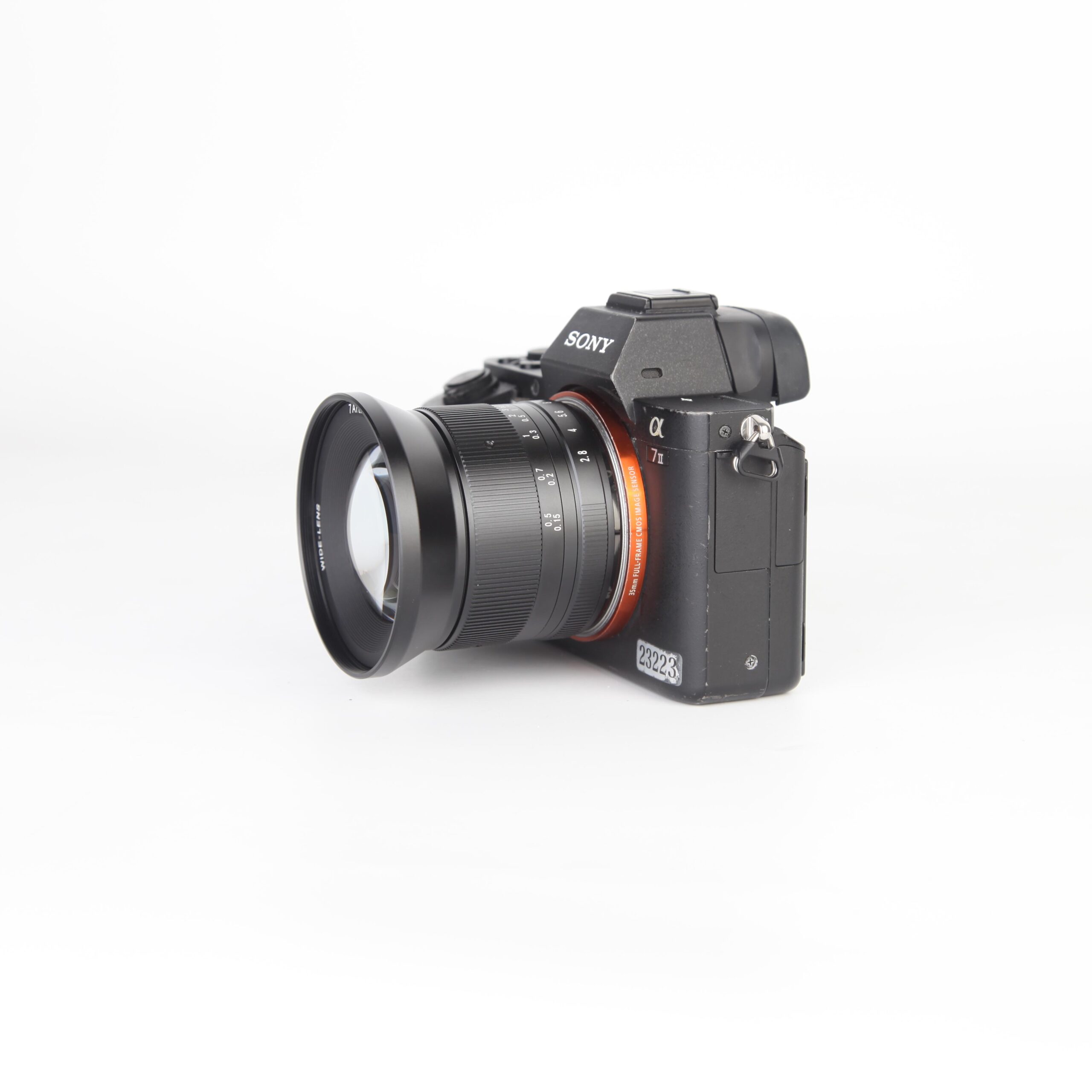
The 12F2.8 is a high-performance wide-angle lens tailored for APS-C format cameras, combining a bright aperture, ultra-wide field of view, and versatile compatibility. Engineered to excel in both close-up and wide-scene imaging, it delivers sharp details, low distortion, and reliable manual control—making it an ideal choice for landscape, architectural, street, and macro photography enthusiasts. Below is a comprehensive overview of its key specifications and core advantages:
1. Core Optical Specifications
Wide-Angle Performance & Image Quality
- Focal Length & Equivalent Focal Length: Fixed 12mm focal length, equivalent to 18mm on APS-C sensors. This provides a classic wide-angle perspective, allowing users to capture expansive scenes (e.g., vast landscapes, grand buildings) while maintaining natural spatial proportions.
- Image Format & Diameter: Optimized for APS-C sensors with an image diameter of Φ28.4mm. It perfectly matches the sensor size, ensuring full-frame coverage without vignetting (dark corners) and maximizing the camera’s resolution potential.
- Field of View: Boasts a broad field of view with 100° diagonal (D), 89° horizontal (H), and 66° vertical (V) angles. This ultra-wide coverage lets you include more elements in the frame—ideal for emphasizing depth in landscapes or capturing the entirety of narrow architectural interiors.
- Working Wavelength: 400-700nm, covering the full visible light spectrum. It accurately reproduces natural colors, from warm sunset tones to cool blues, ensuring true-to-life image rendering in various lighting conditions.
- Distortion: <1.5%, an extremely low distortion rate for a wide-angle lens. It minimizes “barrel distortion” (the curved effect on straight lines common in wide-angle lenses), critical for architectural photography where preserving straight edges (e.g., building walls, doorframes) is essential.
- Relative Illumination: >0.45, guaranteeing uniform light distribution across the entire image plane. Even at the edges of the wide frame, brightness remains consistent, avoiding the uneven lighting that often plagues low-quality wide-angle lenses.
2. Mechanical & Operational Features
Versatility & Precise Control
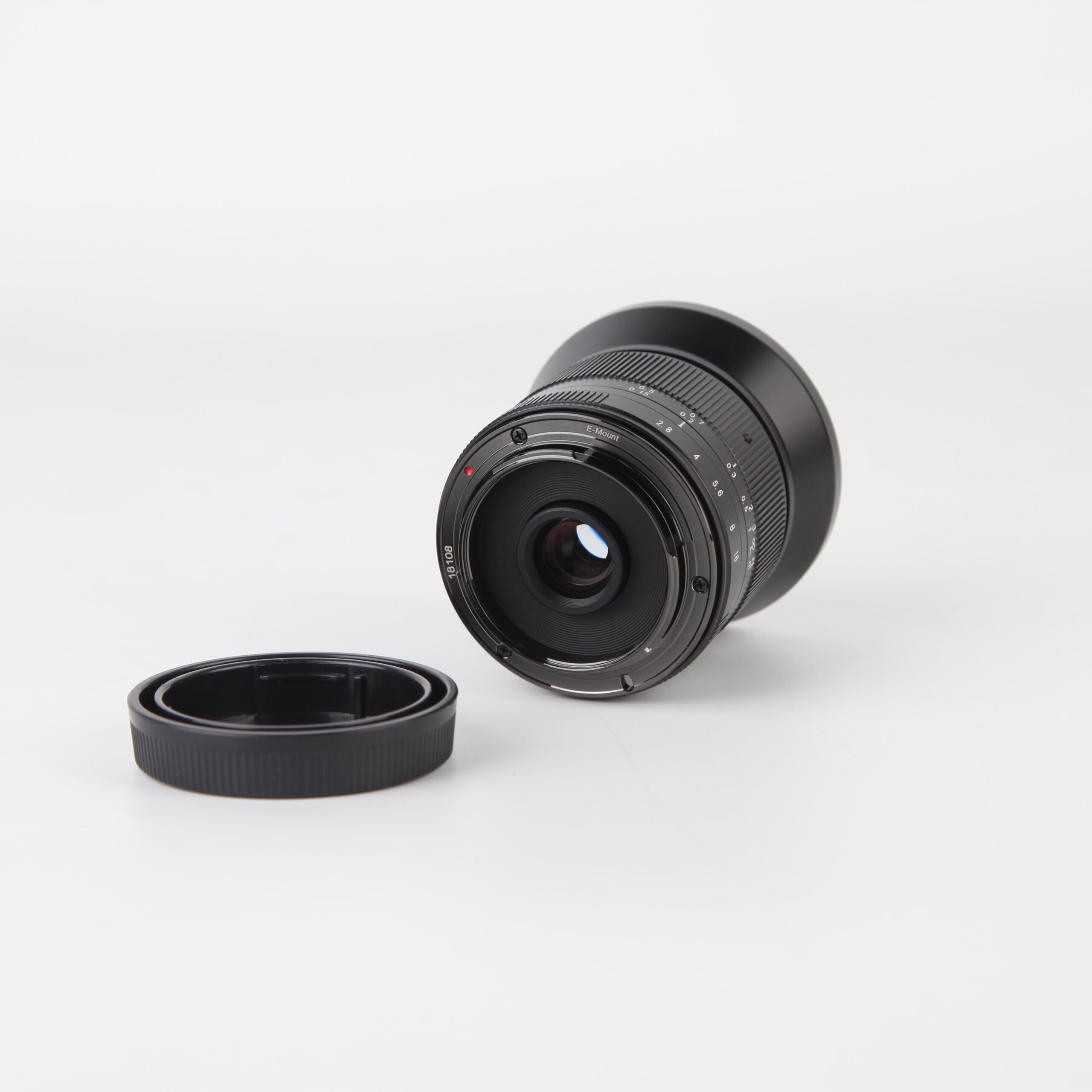
- Mount Compatibility: Supports multiple popular mounts, including NEX-E, M4/3, FX, Z, and EOSM. This broad compatibility allows the lens to work with APS-C cameras from major brands (e.g., Sony, Fujifilm, Nikon, Canon, Panasonic), eliminating the need for additional adapters and ensuring stable integration.
- Aperture Performance:
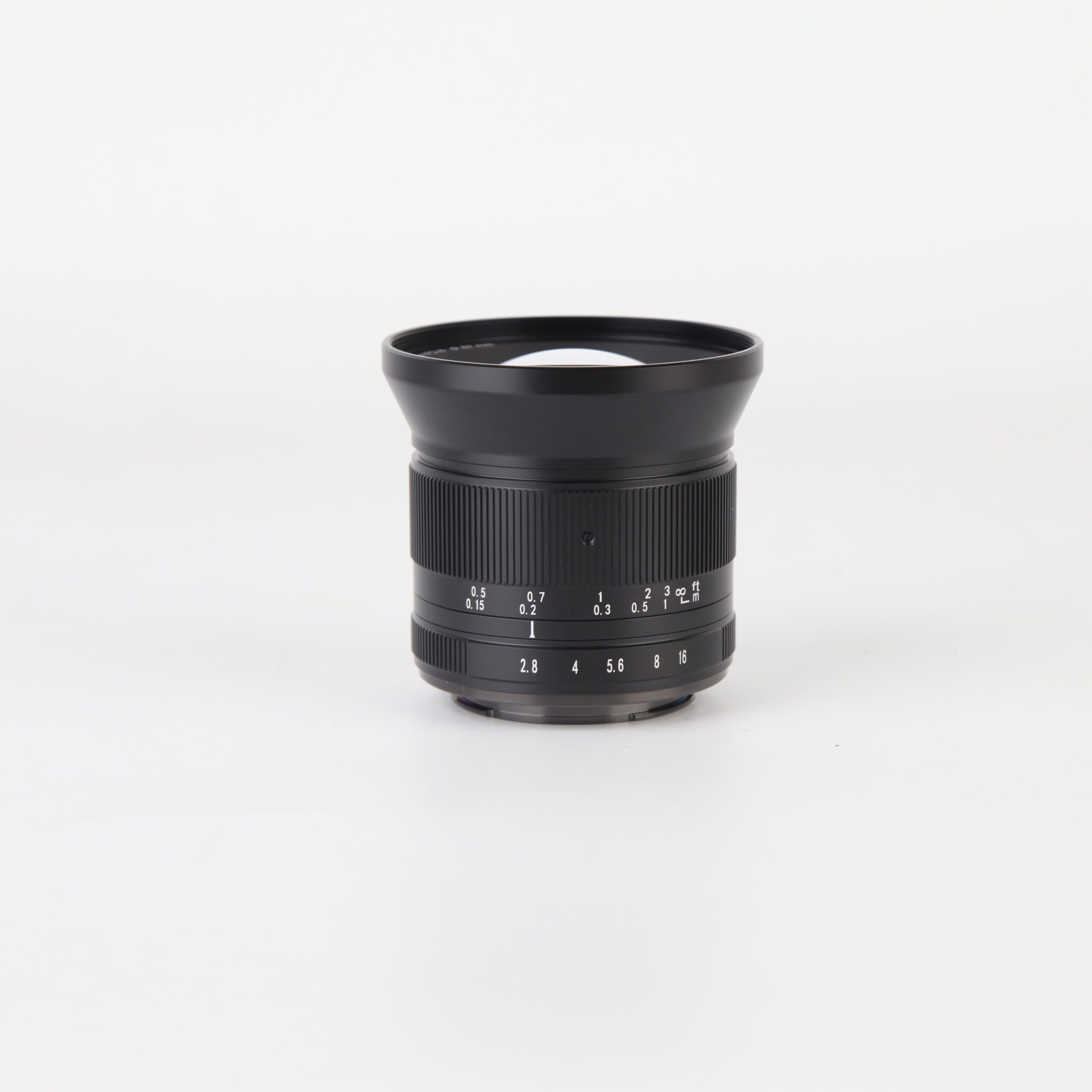
- Aperture Range: F/2.8~22. The bright F/2.8 maximum aperture enables low-light shooting (e.g., dimly lit streets, indoor events) by allowing more light to enter, while the F/22 minimum aperture enhances depth of field—keeping both foreground and background sharp in landscape shots.
- Aperture Blades: 5 blades, forming a near-circular aperture shape. This creates soft, natural bokeh (background blur) when using wider apertures (e.g., F/2.8 for portrait-style street photography) and ensures smooth light reduction when stopping down.
- Focusing Capabilities:
- Focusing Mode: Manual focus (Manual), offering precise control over the focus point. This is particularly useful for macro or architectural photography, where pinpoint focus on small details (e.g., dewdrops on leaves, texture of a building facade) is required.
- Focusing Range: 0.15m~∞ (0.15 meters to infinity). The ultra-close minimum focusing distance supports macro-like shooting—allowing you to capture fine details of small objects (e.g., flowers, small artworks) while leveraging the wide-angle perspective for creative depth.
- Zoom Function: Not applicable (/), as this is a fixed-focal-length lens. Fixed focal lengths typically deliver superior optical performance (e.g., sharper edges, lower aberration) compared to zoom lenses, making the 12F2.8 a reliable choice for image quality-focused users.
- Optical Structure: 12 elements arranged in 10 groups. This optimized lens configuration effectively reduces common optical aberrations (e.g., spherical aberration, chromatic aberration) by dispersing light evenly across the sensor. The result is consistently sharp images, even at the edges of the wide frame.
- Compact Design:
- Optical Total Length (TTL): 76.8mm
- External Dimension: Φ74.5*L65mm
Its compact and lightweight build (weight unit noted as “g” in specs, with specific value to be confirmed) makes it easy to carry for on-the-go shooting—perfect for travel photographers who need to minimize gear bulk.
- Optical Back Focal Length (B.F.L.): 14mm, a well-calibrated distance that ensures proper spacing between the lens and camera sensor. This prevents mechanical interference and maintains optimal optical performance.
3. Ideal Application Scenarios
With its wide-angle versatility, low distortion, and close focusing capability, the 12F2.8 lens excels in multiple photography genres:
- Landscape Photography: Capture sweeping mountain ranges, coastal horizons, or starry skies with expansive depth and sharp details from foreground to background.
- Architectural Photography: Preserve straight lines and grand proportions of buildings, whether shooting towering skyscrapers from the street or intricate interiors of historic churches.
- Street Photography: The wide field of view lets you include environmental context in portraits, while the F/2.8 aperture handles variable street lighting and the 0.15m focusing range captures candid close-ups of subjects (e.g., street art, market stalls).
- Macro & Close-Up Shooting: Get up to 0.15m close to small subjects, using the wide-angle perspective to blend the subject with its surroundings (e.g., a tiny mushroom in a forest floor, a handcrafted jewelry detail on a table).
In summary, the 12F2.8 lens combines wide-angle flexibility, high image quality, and cross-brand compatibility—making it a powerful, all-around tool for APS-C camera users seeking to expand their creative possibilities.